The Beauty of Earth: Stories Behind Landscape Photography
- elaine nicole
- May 31
- 4 min read

Landscape photography is more than just capturing a scene; it’s about telling a story. Each photograph holds a narrative that reflects the beauty of our planet, the emotions of the photographer, and the intricate relationship between nature and humanity. In this blog post, we will explore the art of landscape photography, the stories behind some iconic images, and how you can start your own journey in this captivating field.
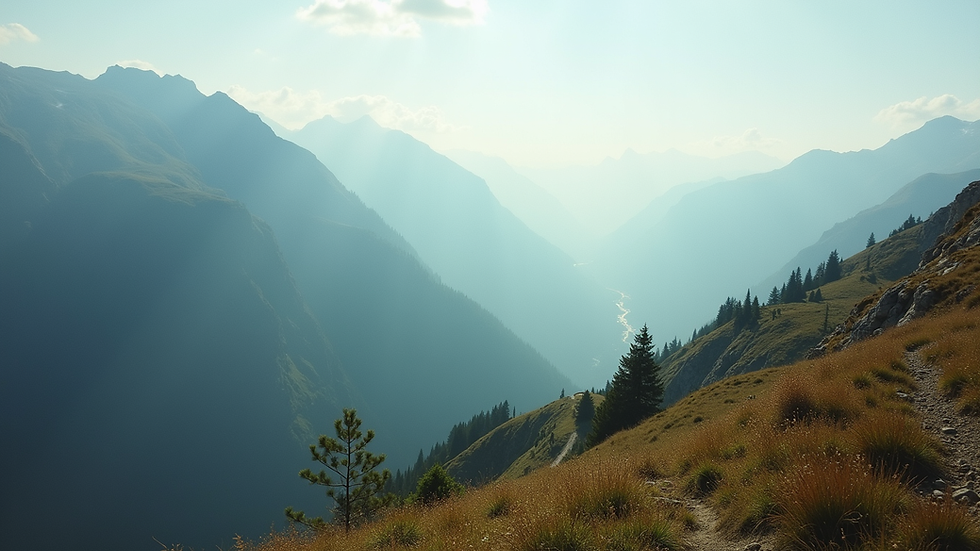
Understanding Landscape Photography
What is Landscape Photography?
Landscape photography focuses on capturing the natural environment. This genre can include mountains, forests, deserts, and even urban landscapes. The goal is to showcase the beauty of the earth while evoking emotions and telling a story.
The Importance of Composition
Composition is crucial in landscape photography. It involves arranging elements within the frame to create a harmonious image. Here are some key principles to consider:
Rule of Thirds: Divide your frame into a 3x3 grid and place points of interest along the lines or at their intersections.
Leading Lines: Use natural lines in the landscape, such as rivers or paths, to guide the viewer's eye through the image.
Framing: Use elements in the foreground to frame your subject, adding depth and context.
The Role of Light
Light can dramatically change the mood of a landscape photograph. The golden hour, which occurs shortly after sunrise and before sunset, provides soft, warm light that enhances colors and textures. Understanding how to work with natural light is essential for capturing stunning images.
Iconic Landscape Photographers and Their Stories
Ansel Adams: The Master of Black and White
Ansel Adams is perhaps the most famous landscape photographer. His black-and-white images of the American West, particularly Yosemite National Park, are legendary. Adams believed in the power of photography to convey emotion and inspire conservation. His work not only captured the beauty of nature but also raised awareness about the importance of preserving it.
Galen Rowell: The Adventurer
Galen Rowell was not just a photographer; he was an adventurer. His images often reflect his love for the outdoors and his desire to explore remote locations. Rowell’s approach combined technical skill with a deep appreciation for the natural world. He often used his photographs to tell stories about the places he visited, encouraging others to appreciate and protect these environments.
Peter Lik: The Modern Visionary
Peter Lik is known for his vibrant, large-scale landscape images. His work often features stunning colors and dramatic compositions. Lik’s photographs are not just about capturing a moment; they are about creating an experience. He aims to evoke feelings of wonder and awe in his viewers, encouraging them to connect with nature.
The Stories Behind Landscape Photography
Capturing the Moment
Every landscape photograph has a story behind it. For instance, consider a photograph taken during a hike in the mountains. The photographer may have faced challenging weather conditions, such as rain or snow, to capture that perfect shot. The image becomes a testament to their perseverance and love for nature.
The Emotional Connection
Landscape photography often evokes strong emotions. A photograph of a serene lake at sunrise can bring feelings of peace and tranquility, while an image of a stormy sea may evoke feelings of chaos and power. These emotional connections are what make landscape photography so compelling.
The Journey of Discovery
For many photographers, the journey to find the perfect shot is just as important as the final image. Exploring new locations, meeting fellow photographers, and experiencing different cultures all contribute to the story behind each photograph. This journey can lead to personal growth and a deeper appreciation for the world around us.
Tips for Aspiring Landscape Photographers
Invest in Quality Equipment
While you don’t need the most expensive gear to start, investing in a good camera and lens can make a significant difference. A DSLR or mirrorless camera with a versatile lens will allow you to capture a variety of landscapes.
Learn the Basics of Photography
Understanding the fundamentals of photography, such as exposure, aperture, and shutter speed, is essential. Take the time to learn these concepts, as they will greatly improve your photography skills.
Get Outside and Practice
The best way to improve your landscape photography is to get outside and practice. Explore local parks, mountains, or beaches. Experiment with different compositions, lighting conditions, and weather. The more you shoot, the better you will become.
Join a Photography Community
Connecting with other photographers can provide valuable feedback and inspiration. Consider joining local photography clubs or online communities where you can share your work and learn from others.
Be Patient and Persistent
Landscape photography often requires patience. You may need to wait for the right light or weather conditions to capture the perfect shot. Don’t get discouraged if things don’t go as planned. Persistence is key in this art form.
Conclusion
Landscape photography is a powerful medium that allows us to share the beauty of our planet and the stories behind it. By understanding the techniques, learning from iconic photographers, and embracing your own journey, you can create stunning images that resonate with viewers. So grab your camera, venture into the great outdoors, and start capturing the beauty of Earth.
Remember, every photograph tells a story. What will yours say?


Comments