Exploring Nature's Wonders Through Stunning Photography
- elaine nicole
- May 31
- 4 min read

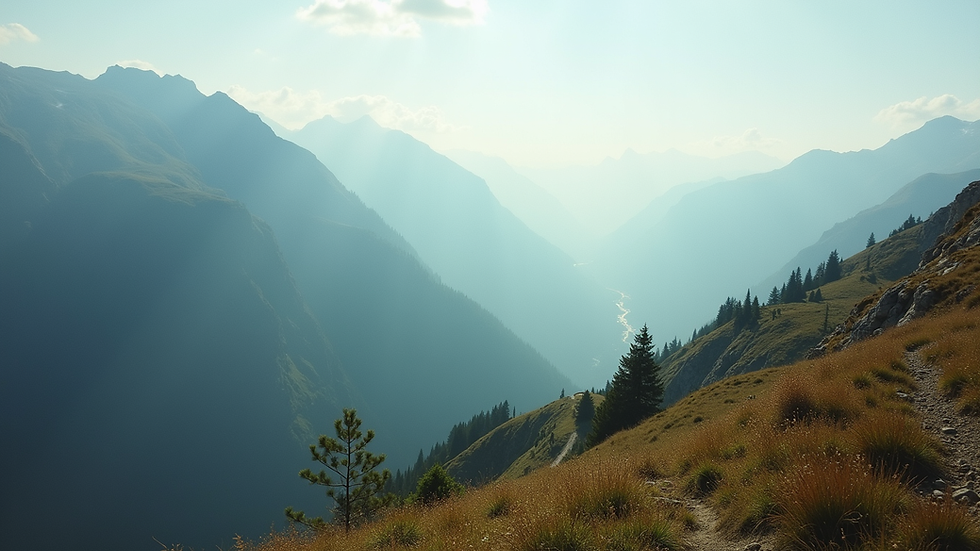
Nature has an incredible ability to inspire awe and wonder. From majestic mountains to serene lakes, the beauty of the natural world is a treasure trove for photographers. Capturing these moments not only allows us to appreciate the environment but also encourages others to explore and protect it. In this blog post, we will delve into the art of nature photography, exploring techniques, tips, and the emotional connection that comes with capturing the wonders of the world around us.

The Importance of Nature Photography
Nature photography serves several purposes. It can be a form of artistic expression, a way to document the environment, or a tool for conservation. Here are some key reasons why nature photography is important:
Awareness: Stunning images can raise awareness about environmental issues, such as climate change and habitat destruction. They can inspire action and motivate people to protect our planet.
Connection: Photography allows us to connect with nature on a deeper level. It encourages us to observe the details and appreciate the beauty that often goes unnoticed.
Preservation: By capturing images of endangered species and fragile ecosystems, photographers can contribute to conservation efforts. These images can be used in campaigns to protect wildlife and natural habitats.
Essential Gear for Nature Photography
To capture the beauty of nature effectively, having the right gear is crucial. Here are some essential items every nature photographer should consider:
Camera
While many smartphones have excellent cameras, a dedicated DSLR or mirrorless camera offers greater flexibility and image quality. Look for a camera with:
Interchangeable lenses: This allows you to adapt to different environments and subjects.
High ISO performance: This is important for low-light conditions, such as early morning or late evening shoots.
Lenses
Different lenses can dramatically change the way you capture nature. Consider these options:
Wide-angle lens: Perfect for landscapes, allowing you to capture expansive scenes.
Telephoto lens: Ideal for wildlife photography, enabling you to photograph animals from a distance without disturbing them.
Tripod
A sturdy tripod is essential for long exposure shots, especially in low light. It helps stabilize your camera and ensures sharp images.
Filters
Filters can enhance your images in various ways:
Polarizing filter: Reduces glare and enhances colors, making skies bluer and foliage greener.
Neutral density filter: Allows you to use longer exposure times, creating beautiful effects with water and clouds.
Techniques for Capturing Stunning Nature Photos
Once you have the right gear, it's time to focus on techniques that will elevate your photography. Here are some tips to help you capture breathtaking images:
Understand Lighting
Lighting is one of the most critical aspects of photography. The golden hours—shortly after sunrise and before sunset—offer soft, warm light that enhances landscapes. Here are some tips for working with light:
Avoid harsh midday sun: This can create unflattering shadows and overexposed highlights.
Experiment with backlighting: Shooting into the light can create dramatic silhouettes and highlight textures.
Composition Matters
Good composition can transform an ordinary photo into an extraordinary one. Here are some composition techniques to consider:
Rule of thirds: Divide your frame into a 3x3 grid and place your subject along the lines or at their intersections.
Leading lines: Use natural lines, such as rivers or paths, to guide the viewer's eye through the image.
Patience is Key
Nature photography often requires patience. Wildlife can be unpredictable, and the perfect shot may take time to present itself. Here are some tips for being patient:
Be prepared: Have your camera ready and be aware of your surroundings.
Stay quiet: Minimize noise to avoid startling wildlife.
Post-Processing Your Images
Post-processing is an essential step in photography. It allows you to enhance your images and bring out their full potential. Here are some common techniques:
Basic Adjustments
Exposure: Adjust the brightness of your image to ensure details are visible.
Contrast: Increase contrast to make your images pop and add depth.
Color Correction
White balance: Adjust the white balance to ensure colors appear natural.
Saturation: Enhance colors, but be careful not to overdo it, as this can lead to unrealistic images.
Cropping and Straightening
Sometimes, a simple crop can improve composition. Straightening horizons can also enhance the overall look of your image.
The Emotional Connection of Nature Photography
Capturing nature is not just about the technical aspects; it’s also about the emotional connection you develop with your surroundings. Here’s how photography can deepen that connection:
Mindfulness
Photography encourages you to slow down and observe your environment. This mindfulness can lead to a greater appreciation for nature and its beauty.
Storytelling
Every photograph tells a story. Whether it’s a close-up of a flower or a sweeping landscape, your images can convey emotions and narratives that resonate with viewers.
Sharing Your Passion
Sharing your nature photography can inspire others to appreciate and protect the environment. Consider creating a blog or social media account dedicated to your work, where you can share your experiences and insights.
Conclusion
Nature photography is a powerful way to explore and appreciate the wonders of the world around us. By understanding the importance of this art form, investing in the right gear, mastering techniques, and fostering an emotional connection with nature, you can create stunning images that inspire others. So grab your camera, head outdoors, and start capturing the beauty that surrounds you. Remember, every photograph is an opportunity to tell a story and connect with the natural world.

Comments